Design Manager
2019-2021
Role
UX Strategy
Project Management
Research Hiring
Interaction Design
Field Research
Training
< PROJECTS
Monitoring Hypertension Should Be Simple.
CONTEXT
Simple is a digital health platform supported by Resolve to Save Lives, to help healthcare workers manage patients with chronic conditions such as hypertension and diabetes. It streamlines follow-ups, patient communication and reporting, through an offline-first mobile experience built for low-resource settings. By reducing administrative overhead and improving continuity of care, Simple enables healthcare providers to focus more on patients and less on paperwork. It is completely free, open source and open to contributions from everyone.
OUTCOMES

999+
Facilities use Simple
20secs
Avg time to find a patient record
<30 secs
Time to record follow-up
PaTIENT RECORDS
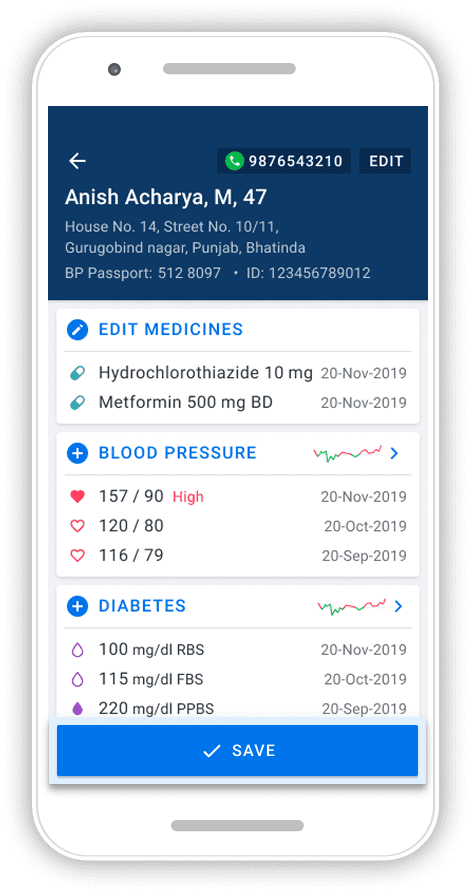
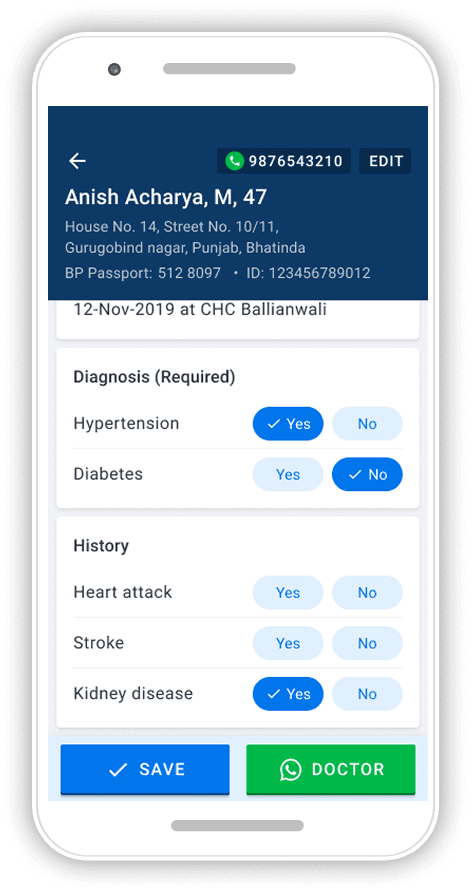
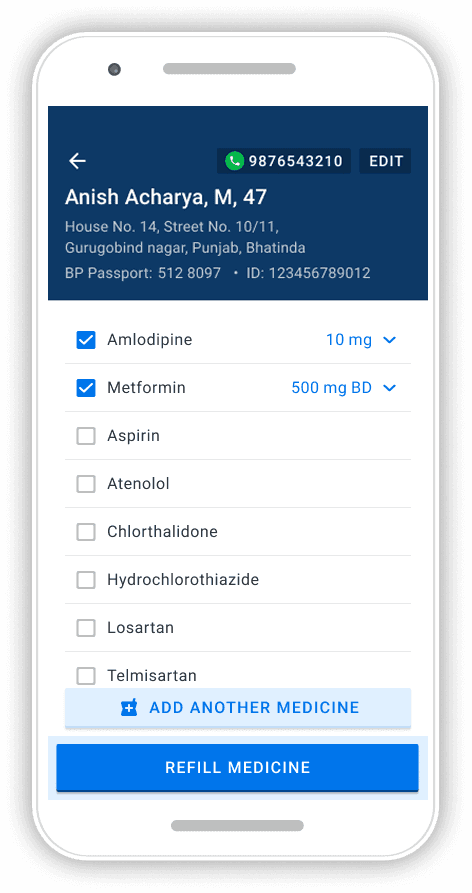
Displaying patient details on a 4-inch device was a challenging task. We had to make sure all important information was visible while keeping it clear for medical staff. They needed to easily see the patient’s critical conditions, current treatment, and next visit.


SEARCH AND REGISTRATION
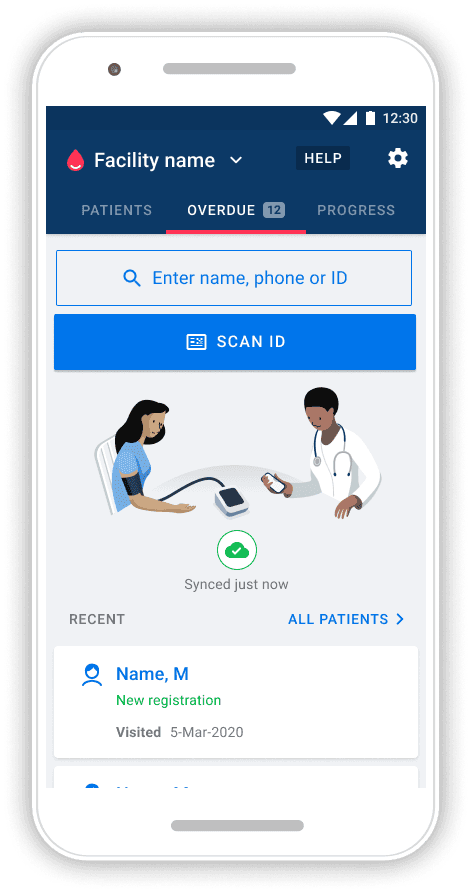
Healthcare staff often don’t know if a patient is already registered with Simple. If the patient loses their ID card, it becomes even harder to find their records during follow-up visits. To solve this, we created a single starting point for nurses in both cases. This ensures they double-check if the patient is already registered by another healthcare worker or at a nearby facility. Avoiding duplicate entries is crucial for accurate diagnosis and follow-up care.


OVERDUE PATIENTS

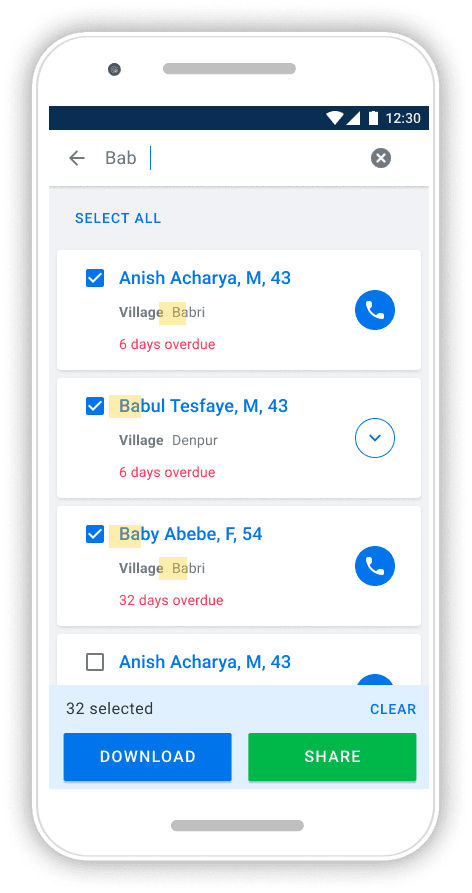
When patients miss their follow-up appointments, the app shows them separately so healthcare staff can remind them to schedule their next visit. This not only ensures an effective care system, but shows how well the program is working.

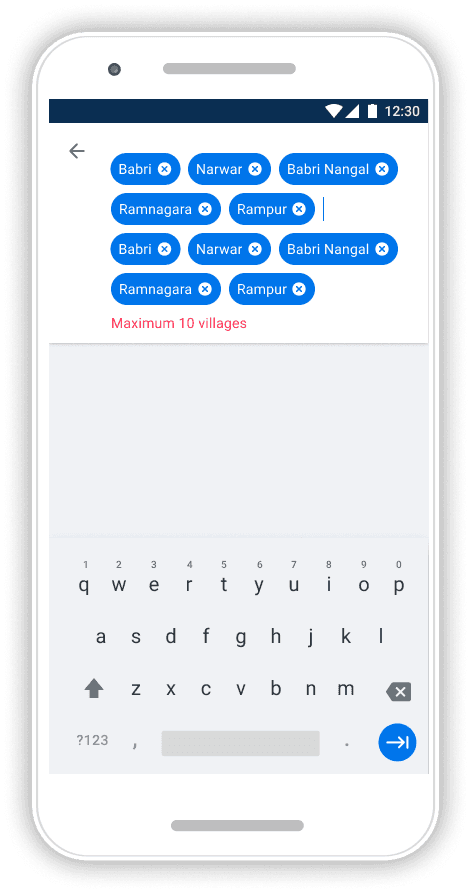
DECENTRALIZING HEALTHCARE

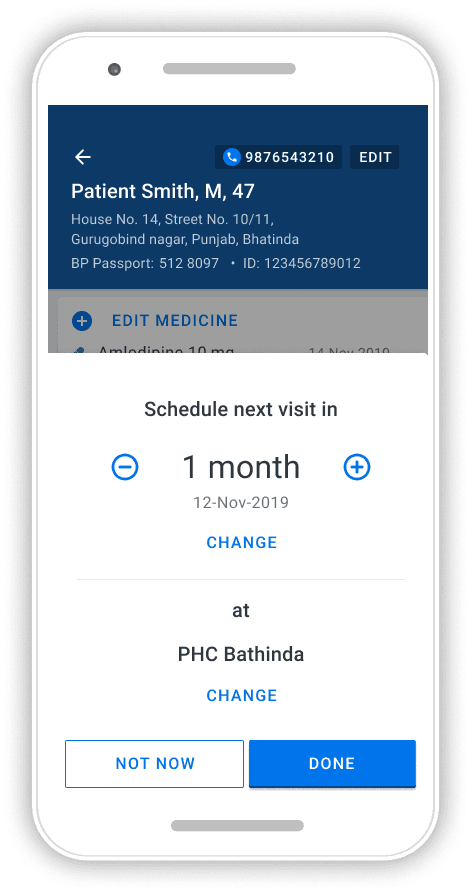
Decentralizing public healthcare is important for two main reasons: first, to prevent staff at large hospitals from being overloaded with too many follow-up patients, and second, to allow patients to visit smaller, nearby health centers for regular check-ups and medication. To make this easier, we set up a system where staff can register patients at any facility and assign them to a location that’s more convenient for their next follow-up visit.

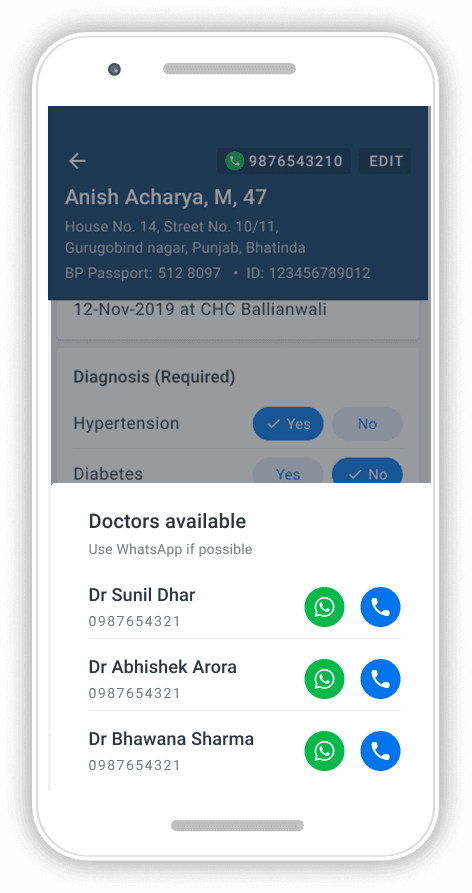
TELEMEDICINE

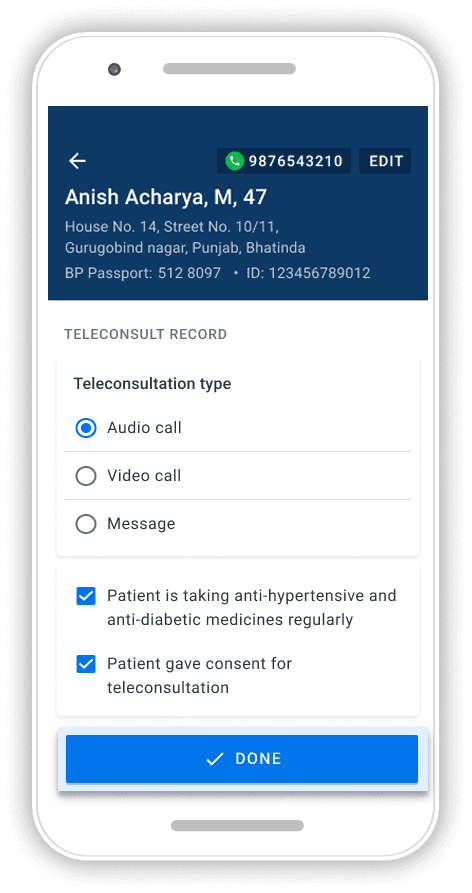
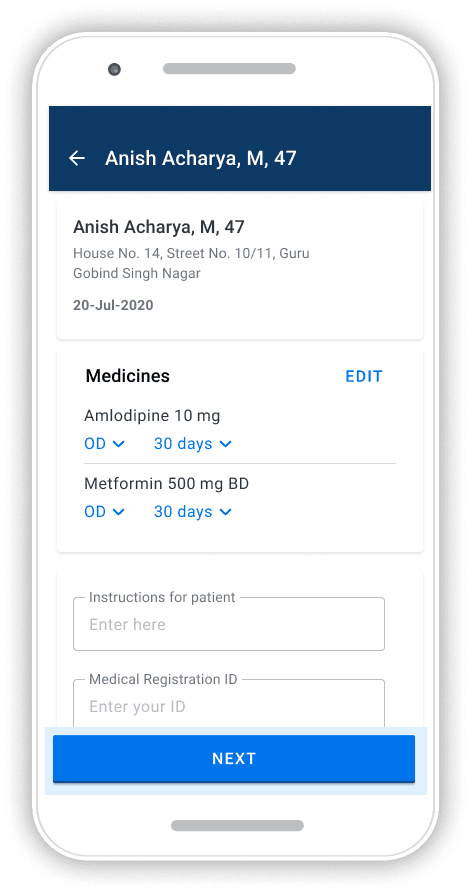
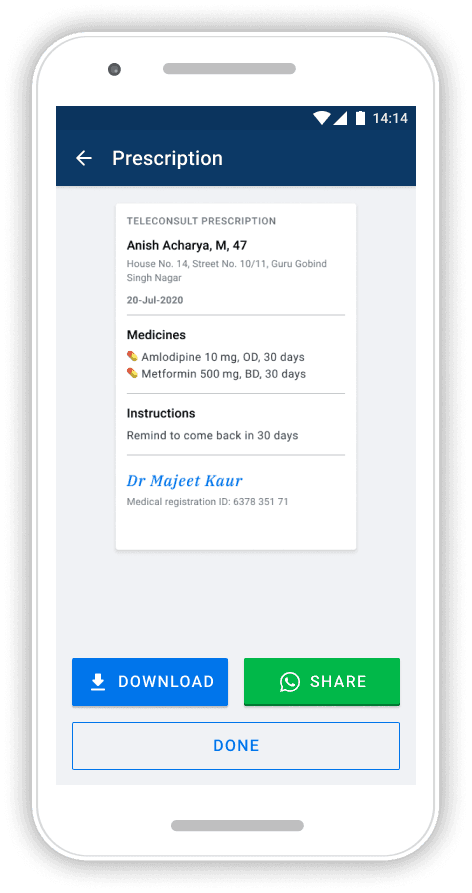
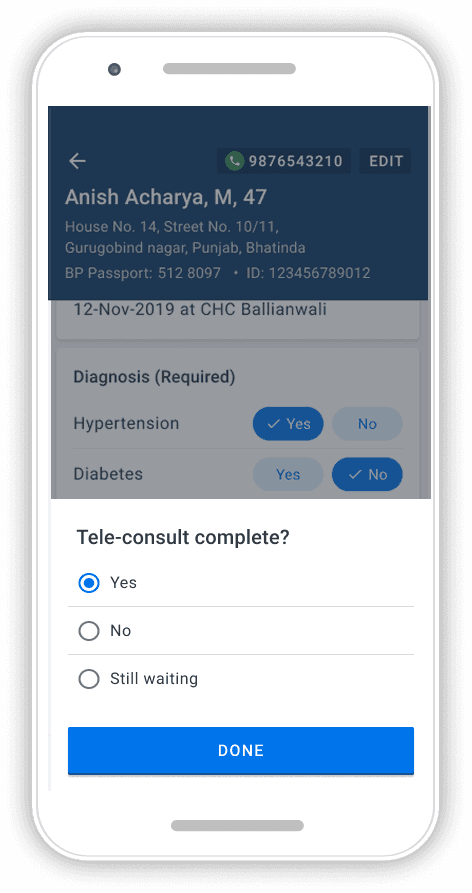
During Covid-19, we integrated telemedicine into Simple to address staff shortages in hospitals. If a patient was critically ill and needed medication adjustments, a staff nurse could initiate video calls with medical officers enabling doctors to issue e-prescriptions remotely.
How to conduct a tele-consult visit for a patient with hypertension using Simple. This video is for healthcare workers in the field and medical officers treating patients virtually.
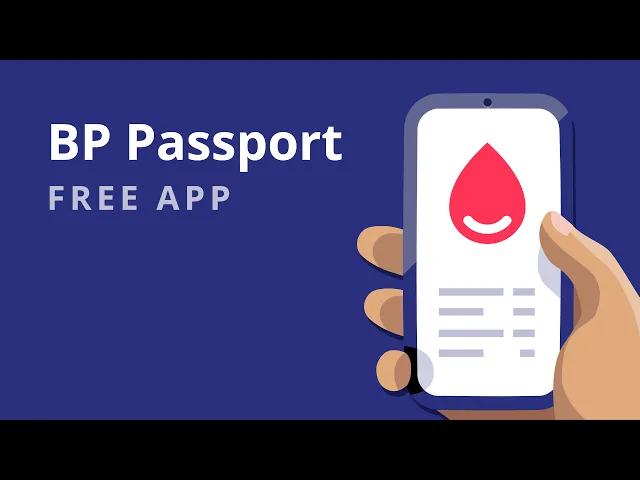
BP Passport App
BACKGROUND
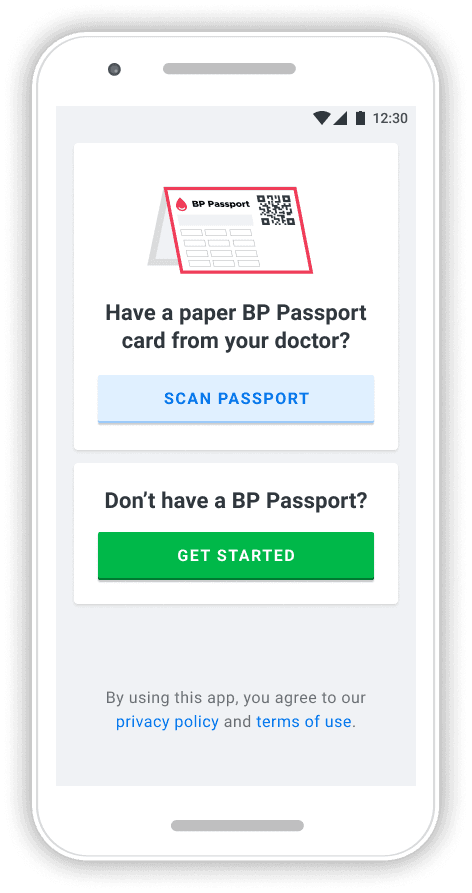
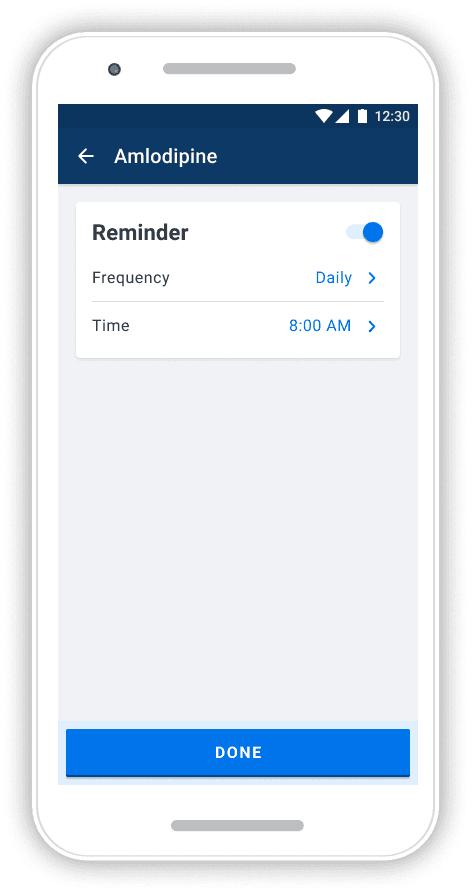
The idea for the app originated in 2021, during a time when many individuals were hesitant to visit clinics for routine blood pressure check-ups due to concerns surrounding the COVID-19 pandemic. The Simple team developed, and launched a simple, free (and ad-free) app on PlayStore that allowed users to log their blood pressure readings directly on their personal devices, whether measured at home or a local pharmacy. Our goal was to ensure that these readings would provide valuable, accurate data for physicians to assess a patient’s health more effectively when in-person consultations resumed. Learn more about Simple BP Passport App here.
FEATURES OF THE APP
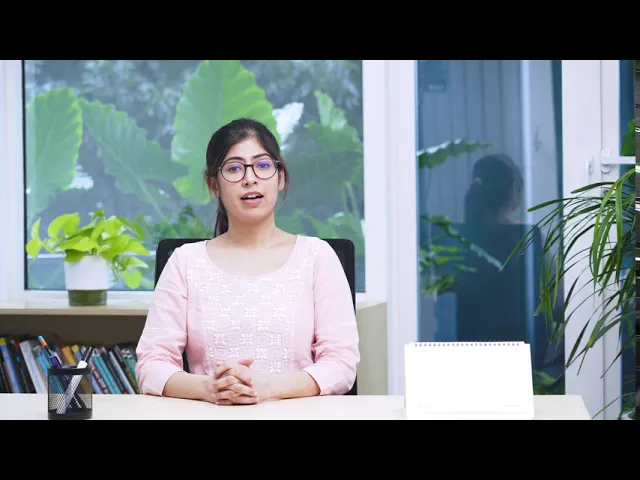
BP Passport App Video